By Lisa Scott
November 24, 2026
Private water wells quietly supply clean water every day until a hidden mechanical issue brings household routines to a sudden halt. Fortunately, submersible pumps, pressure tanks, and underground piping rarely fail without sending clear warning signals first. Recognizing subtle shifts in faucet pressure, water clarity, pump cycling, and monthly power usage allows homeowners to intervene before waking up to dry taps. Calling experienced well repair companies at the earliest sign of trouble saves thousands in emergency excavation costs while protecting your family's water supply. Learning what symptoms indicate impending system failure keeps your household running smoothly year-round.
1. Noticing Sudden Drops in Household Water Pressure
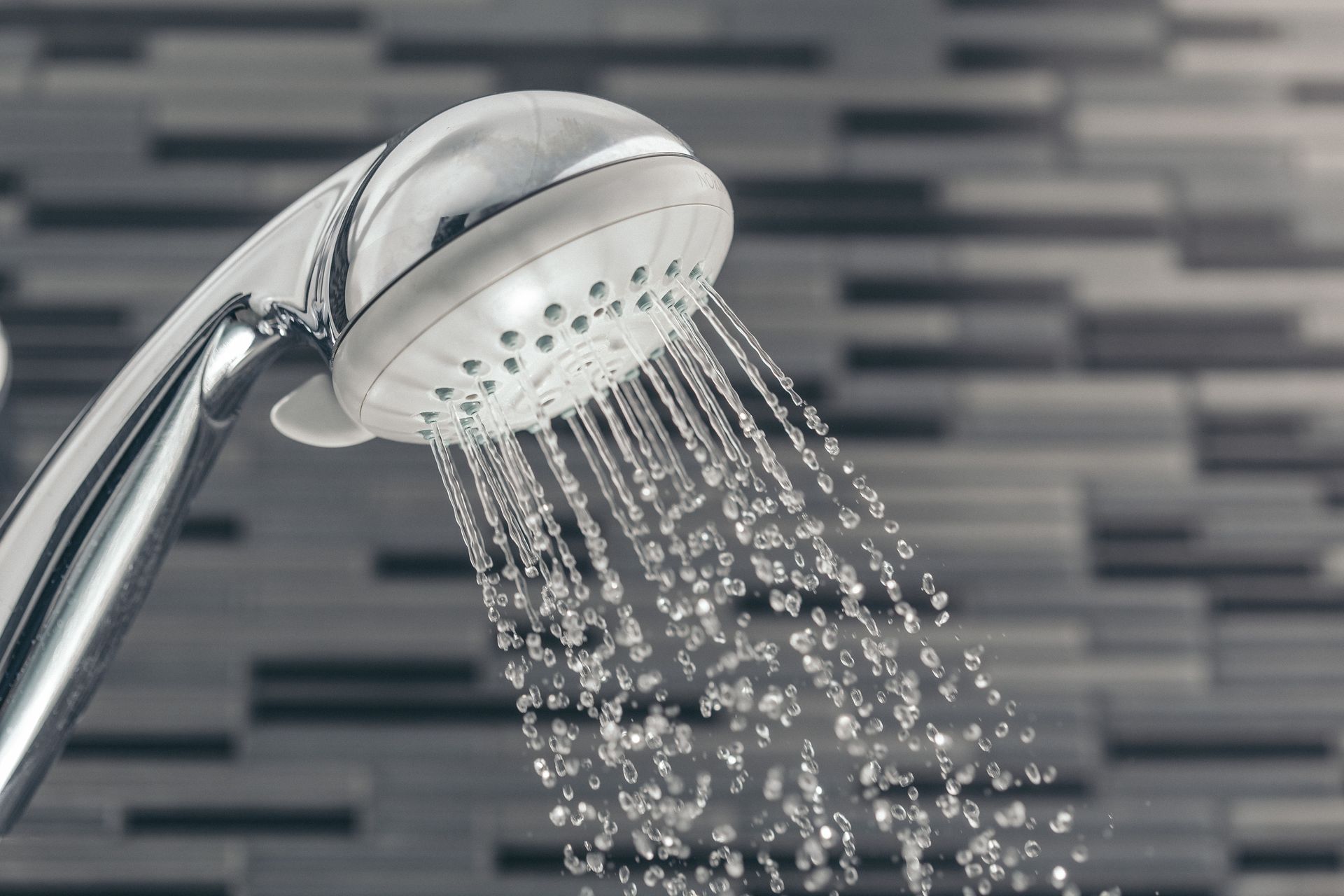
Weakening shower streams, slow-filling washing machines, and sluggish outdoor spigots often point directly to trouble inside your water system. When water pressure steadily declines across multiple fixtures simultaneously, the issue typically stems from a failing submersible pump impeller, a clogged intake screen, or a leaking underground drop pipe. Ignoring gradual pressure loss forces mechanical components to strain harder every time someone opens a tap. Reputable well repair companies use calibrated pressure gauges and flow meters to pinpoint whether the restriction sits inside the borehole or your indoor plumbing. Addressing declining pressure early prevents total pump burnout during peak household demand.
2. Hearing Sputtering Faucets and Trapped Air Bubbles
When turning on your kitchen sink produces sudden bursts of air followed by uneven spurts of water, air is entering your pressurized lines. Air intrusion commonly occurs when the aquifer water table drops temporarily below the pump intake or when a corroded check valve allows water to drain backward down the casing. Cracked underground supply pipes and worn pump seals can also pull air into the system during active pumping cycles. Prompt inspection prevents air-locking, which causes submersible motors to spin dry and overheat rapidly. Eliminating trapped air restores smooth, steady water delivery throughout every bathroom and appliance.
3. Observing Cloudy, Muddy, or Sandy Tap Water
Crystal-clear groundwater should never suddenly turn murky, gritty, or reddish-brown after a heavy rainstorm or routine laundry cycle. Sediment, fine sand, and silt appearing in toilet tanks or faucet aerators signal that your well screen has corroded, cracked, or shifted underground. In shallow installations, surface runoff can also infiltrate damaged well caps or compromised casing seals, introducing dangerous bacteria alongside dirt. According to HomeGuide, drinking water wells should be at least 100 feet deep in most areas, though local geology and water quality may require greater depth. Contacting well repair companies immediately protects internal pump bearings from abrasive sand damage.
4. Experiencing Rapid Pump Cycling and Frequent Clicking Sounds
Standing near your pressure tank should reveal long, steady pumping intervals rather than constant rapid clicking every few seconds. Known as short-cycling, this destructive pattern happens when the internal rubber bladder inside your pressure tank ruptures and becomes completely waterlogged. Without an air cushion to maintain system pressure, the pump motor switches on and off dozens of times whenever a single toilet flushes. Every electrical startup generates intense heat that destroys expensive submersible motors prematurely. Replacing a failed pressure tank or faulty pressure switch right away saves your deep underground pump from catastrophic electrical failure.
5. Detecting Unexplained Spikes in Monthly Electric Bills
Submersible well pumps draw substantial electrical current whenever they run, yet healthy systems operate briefly enough to keep monthly utility costs predictable. If your power bill climbs noticeably without increased seasonal irrigation or extra house guests, your pump may be running continuously behind the scenes. Worn impellers, pinhole leaks in underground supply lines, or stuck pressure switches prevent the system from reaching its shutoff threshold. Experienced well repair companies test amperage draw and isolate plumbing zones to locate hidden leaks wasting electricity and water. Catching continuous pump operation early cuts wasted utility expenses while extending motor life.
6. Smelling Metallic, Sulfur, or Musty Odors From Faucets
Sudden changes in how your tap water smells or tastes deserve immediate professional investigation rather than simply masking the issue with pitcher filters. A sharp rotten-egg odor often indicates harmless yet unpleasant hydrogen sulfide gas or iron bacteria thriving inside stagnant casing walls. Conversely, chemical smells, fuel odors, or sudden metallic tastes can signal a cracked well casing, allowing surface contaminants or corrosive minerals into your drinking supply. Qualified technicians perform comprehensive water quality testing and shock chlorination treatments while inspecting structural seals. Resolving odor shifts promptly safeguards household health and prevents mineral scale from clogging pipes.
7. Spotting Wet, Soggy Patches Above Underground Water Lines
Walking across your yard during dry summer weather should never reveal unexplained puddles, lush green strips, or sinking soil between your wellhead and house. Underground service lines suffer wear over decades from shifting frost lines, tree roots, and soil corrosion, eventually developing hairline splits or loose fittings. Even a small subsurface leak forces your pump to work overtime while washing away soil around foundation walls. Seasoned well repair companies utilize acoustic leak detection and pressure isolation tools to pinpoint exact underground breaks without tearing up your entire lawn. Fixing buried line leaks promptly preserves yard grading and system pressure.
8. Seeing Corroded Well Caps or Damaged Exterior Casings
Your above-ground wellhead serves as the primary barrier keeping insects, rodents, lawn chemicals, and rainwater out of your underground aquifer. Over time, lawnmowers, shifting frost, and UV exposure can crack metal caps, loosen electrical conduit seals, or tilt steel casings off plumb. Even tiny gaps beneath a loose sanitary seal invite earwigs, surface runoff, and bacterial contamination straight down the borehole. Performing periodic visual checks around your yard helps spot rust, missing bolts, or exposed wiring before serious contamination occurs. Upgrading to a modern watertight vermin-proof cap protects your drinking water supply effortlessly.
9. Dealing With Tripped Circuit Breakers on the Well Control Box
If the dedicated breaker serving your water pump trips repeatedly on your main electrical panel, never simply flip it back on repeatedly. Frequent breaker trips indicate an electrical short circuit, frayed submersible drop cable, failing capacitor inside the control box, or a seized motor drawing locked-rotor amperage. Forcing power through damaged underground wiring risks severe electrical shock hazards and permanent motor destruction. Licensed well repair companies use specialized megohmmeters to test underground insulation resistance safely before pulling heavy pump assemblies from the ground. Proper electrical diagnostics pinpoint whether a simple surface control box repair solves the problem.
10. Noticing Scaly Buildup and Staining on Plumbing Fixtures
While gradual mineral accumulation happens naturally in hard-water regions, a sudden surge in white limescale, rust stains, or blue-green copper residue signals changing groundwater chemistry. Dropping water tables can force pumps to draw water from deeper, mineral-rich rock strata, while failing casing seals allow acidic surface water to corrode household copper pipes. Left unchecked, aggressive mineral deposits choke water heater elements, ruin dishwasher valves, and narrow internal pipe diameters. Scheduling professional diagnostics alongside targeted filtration adjustments protects expensive household appliances while keeping water flowing freely to every shower and faucet.
Paying attention to early warning signs keeps your private water system reliable, safe, and cost-effective across every season. Subtle clues like sputtering faucets, short-cycling pressure tanks, unexplained utility spikes, and cloudy water almost always precede total system shutdowns. Acting promptly when symptoms first appear allows skilled technicians to replace worn switches, tanks, or seals before deep submersible pumps burn out completely. Partnering with trusted local professionals for timely inspections protects your drinking water quality and ensures your family never faces an unexpected day without running water.
Are you seeking professional well repair companies in the South Jersey area? Look no further than the experts at Waterways Water Service! We provide well repairs, maintenance, water treatments, and more. Contact us today to schedule your next service appointment.