In the world of residential property management, few things are as vital as maintaining a clean, dependable, and safe water supply. For properties not connected to municipal water lines, private wells serve as the absolute lifeblood of the household, providing fresh water supply directly to household taps and appliances. However, because these systems draw directly from underground aquifers, they require active, ongoing care to prevent operational failure or sudden structural collapse. Understanding the significance of professional well water services in safeguarding your water system is crucial for maintaining a healthy, sustainable, and safe home environment.
These services involve regular physical maintenance, precision laboratory testing, and proactive hardware management to ensure the purity and long-term sustainability of your private water source. As more homeowners rely on private wells for their daily culinary, agricultural, and sanitary needs, the importance of professional oversight grows daily. When you neglect your water source, you risk exposing your household to harmful pathogens, mineral imbalances, and costly mechanical breakdowns. In this comprehensive article, we will explore the structural mechanics of well water systems and explain how professional well water services support and protect them for the long haul.
Understanding Well Water Systems
Well water systems can vary significantly depending on local geological factors, the depth of the water table, and daily household consumption demands. Private wells generally fall into three main categories: dug wells, driven wells, and drilled wells. Dug and driven wells are shallow installations, typically tapping into surface aquifers that are highly susceptible to weather fluctuations, seasonal droughts, and localized chemical runoffs. Drilled wells can reach depths of hundreds of feet, boring through solid bedrock to access deep, naturally filtered aquifers. Because deep wells are sealed against surface water intrusion, they are inherently more resilient to bacterial contamination.
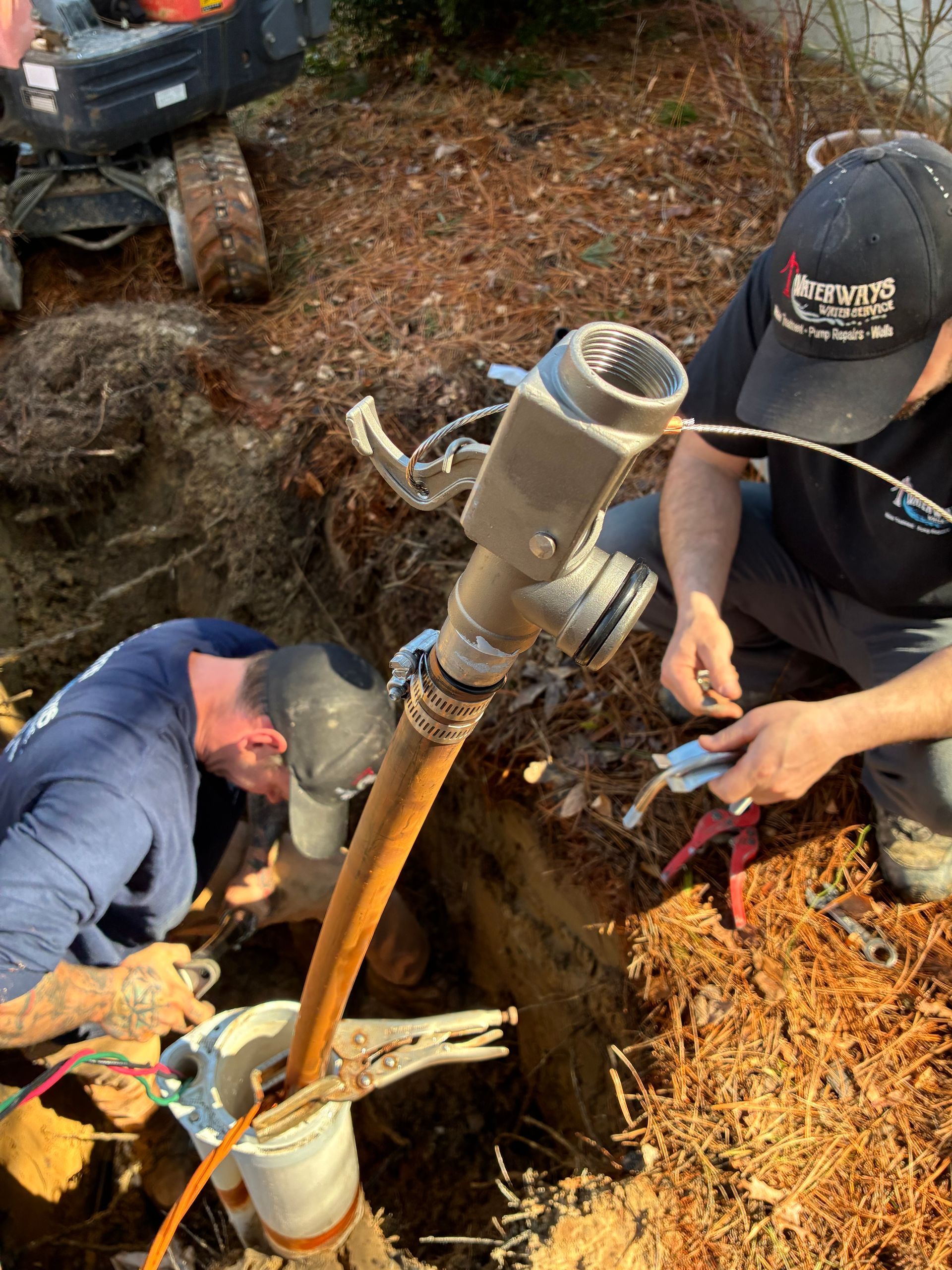
Regardless of the depth, the mechanical components of a well must be designed to match your property's specific physical hydrology. The pump is the mechanical heart of the setup, and selecting the correct pump style is crucial for sustained water pressure and reliable flow rates. According to the US EPA, shallow wells with depths of twenty-five feet or less generally utilize jet pumps, which are one type of pump that operates above ground using suction. For deeper wells, submersible pumps are lowered directly into the well shaft, pushing water upward to a pressurized storage tank inside the home.
To guarantee that your system is configured optimally from the start, property owners should rely on professional well water services to evaluate aquifer yields and design custom filtration layouts. Proper well construction also involves installing heavy-duty steel or PVC casings, sanitary well caps, and surface grouting to prevent rain runoff from pooling around the wellhead. Without these structural safeguards, surface pathogens can easily bypass the soil's natural filtration, ruining your drinking water. Additionally, understanding the direct relationship between your well and the local aquifer is essential; over-extraction can deplete your water table, leading to dry wells and sand intrusion. Aquifers act as underground reservoirs, storing water within porous pockets of sand and gravel. If local properties over-extract water during dry summer months, the water table drops rapidly, placing massive strain on well pumps.
The Role of Regular Maintenance and Inspections
Routine maintenance and professional inspections are the absolute cornerstone of system preservation. Because the critical components of a well water system are buried deep underground or sealed within a narrow shaft, serious structural damage often goes completely unnoticed until a major system breakdown occurs. Partnering with certified well water services to conduct annual physical inspections allows homeowners to catch minor mechanical issues before they spiral into budget-breaking emergencies.
During a typical professional inspection, technicians evaluate several crucial hardware points, including the well casing, pressure tank, and electrical connections. Checking the casing for physical cracks, rust, or structural shifting is essential, as even a tiny breach can let dirty surface water, insects, or rodents enter the well shaft. The pressure tank must also be verified to ensure the air bladder is calibrated correctly; if the tank loses its air charge, the well pump will cycle on and off too rapidly, leading to premature motor burnout. Technicians also inspect control boxes, wiring, and pressure switches for corrosion or insect infestation, which are common causes of sudden electrical failure.
In addition to mechanical wear, well systems are highly sensitive to seasonal changes. For instance, winter climates demand thorough system winterization, including insulating exposed piping and checking the pump's electrical housing for frost hazards. During the spring thaw, heavy rains can saturate the ground, elevating the risk of agricultural runoff bypassing degraded well caps. Conversely, summer heatwaves increase water demand for lawns and landscaping, requiring your system to run at peak capacity for hours at a time.
Ignoring routine maintenance leads to severe operational failures and water quality degradation. Over time, sediment can naturally build up in the bottom of the well basin, clogging the pump intake and reducing water pressure to a crawl. If a casing crack goes unrepaired, harmful coliform bacteria can easily colonize the water column, posing an immediate health risk to your family. Engaging professional well water services for annual inspections eliminates these risks. Experienced technicians utilize specialized diagnostic tools, such as borehole cameras and water-yield flow meters, to provide a complete, highly accurate picture of your well's physical and mechanical health. This proactive care ultimately saves homeowners thousands of dollars in premature pump replacements.
Water Quality Testing and Treatment
Unlike municipal water systems, which are constantly monitored and treated by public utilities, private wells are the sole responsibility of the property owner. Groundwater can easily become contaminated by both naturally occurring minerals and human activities. Common naturally occurring contaminants include arsenic, radon, iron, manganese, and heavy metals like lead that leach from deep rock formations. Additionally, surface-level activities can introduce nitrates from agricultural fertilizers, pesticides, and localized septic system failures.
Because many contaminants are completely odorless, tasteless, and colorless, routine water quality testing is the only way to confirm your water is safe. Testing should be conducted at least once a year, or immediately following any major flood, nearby construction, or seismic event. If a test reveals elevated mineral levels or bacterial presence, seeking out specialized well water services is crucial to designing and installing an effective treatment system. Modern filtration technologies—including activated carbon filters, water softeners, ultraviolet (UV) disinfectants, and reverse osmosis systems—can easily neutralize these threats, providing your household with crystal-clear, safe water. Regularly monitoring your filtration systems ensures they continue to operate efficiently and keep contaminants out of your glass.
Understanding how to interpret your water test results is equally important. Test reports typically list concentrations of various elements alongside federal and state maximum contaminant levels. While some minerals like iron and sulfur do not pose direct health risks, they can cause aesthetic issues such as red or black staining on plumbing fixtures, metallic tastes, and foul odors resembling rotten eggs. Other contaminants, such as nitrates and coliform bacteria, represent immediate health hazards that require prompt shock chlorination or continuous UV treatment to resolve. Professional water specialists can help demystify these reports, helping you choose the precise filtration system required for your water's chemical profile.
Protecting your home's water supply requires a proactive combination of structural vigilance, seasonal maintenance, and precise scientific testing. While private wells offer an exceptional, self-reliant source of clean water, they are not self-maintaining systems. By staying ahead of mechanical wear, verifying physical well integrity, and keeping up with routine filtration updates, you can extend the life of your pump, protect your family from invisible contaminants, and secure a reliable water supply for decades to come.
When you are ready to invest in the longevity of your home's private well system, trust the dedicated technicians at Waterways Water Service to provide the high-quality well water services you need. Our professional team is ready to deliver the reliable testing, expert repairs, and peace of mind your home deserves. Contact us today to schedule your comprehensive well inspection and secure your property's water supply.